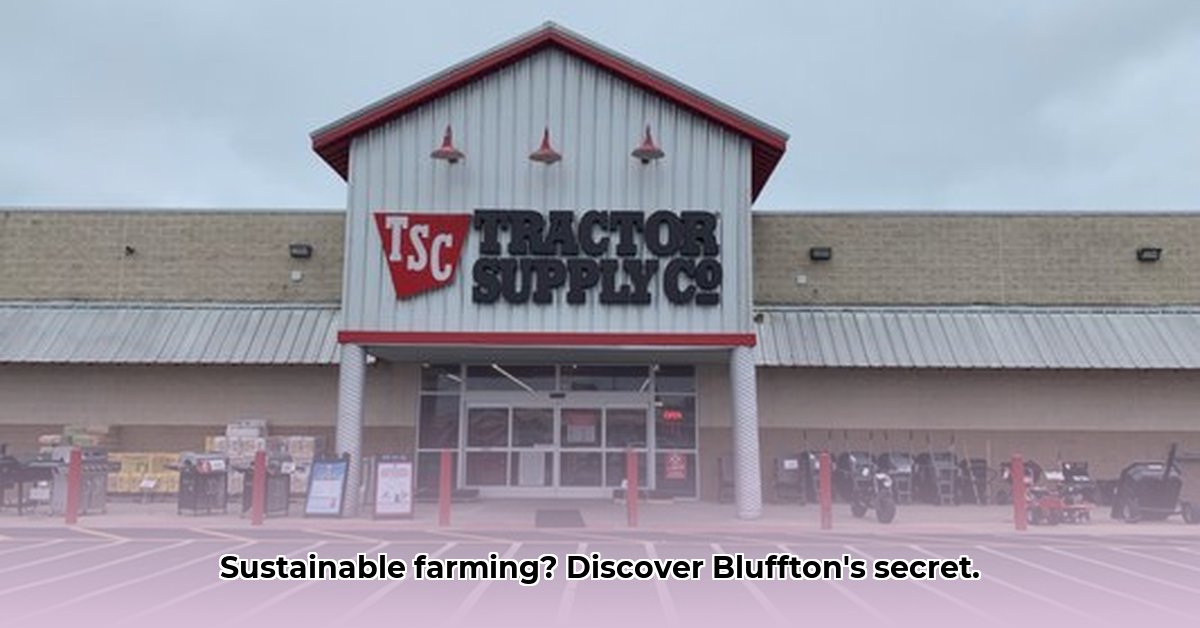
Tractor Supply (TSC) in Bluffton, South Carolina, plays a vital, albeit often understated, role in the town's burgeoning sustainable agriculture movement. More than just a retailer of farming supplies, TSC serves as a central hub for local farmers and gardeners, offering everything from seeds and fertilizer to tools and animal feed. But how significantly does TSC contribute to sustainable practices, and what untapped potential exists to amplify its positive impact? This article explores TSC's current contribution, identifies areas for improvement, and proposes a roadmap for a more sustainable future. For similar stores in other locations, check out this helpful resource.
Tractor Supply's Current Impact on Bluffton's Sustainable Agriculture
TSC's current contribution to Bluffton's sustainable agriculture scene is multifaceted. The sheer availability of essential farming supplies in one convenient location simplifies the process for both small-scale gardeners and larger farms. The stocking of some locally sourced products reduces the carbon footprint associated with long-distance transportation, a small but significant step towards eco-friendliness. However, the store's potential to champion sustainable practices far outweighs its current contributions. How can TSC leverage its position to become a true leader in promoting sustainable agriculture in Bluffton?
Untapped Potential: Boosting Sustainability at TSC
Imagine a TSC that actively promoted organic fertilizers and natural pest control methods. This would empower customers to enhance soil health and minimize reliance on potentially harmful chemical treatments. Such a shift would directly benefit not only the environment but also the health of Bluffton's soil and crops. Increased transparency in its supply chains is another crucial area for improvement; consumers increasingly demand clarity regarding the origin of their food and farming inputs. Knowing the source of feed and fertilizer breeds trust and reinforces sustainable purchasing decisions.
Partnerships for Progress: Collaborations that Cultivate Change
Strategic partnerships can significantly elevate TSC's contribution to sustainable agriculture. Collaborations with local agricultural extension offices to host workshops on sustainable farming techniques would educate customers and solidify TSC's position as a community leader. Joint workshops on composting, soil health, or integrated pest management would empower local farmers with valuable knowledge, strengthening the local farming ecosystem. Further collaboration with environmental organizations to support local water conservation projects or waste reduction initiatives would demonstrate a broader commitment to environmental stewardship.
Actionable Steps: A Roadmap to Sustainability
TSC's existing infrastructure positions it ideally to become a champion of sustainable agriculture. But proactive steps are needed to activate this potential. The following roadmap outlines concrete actions for TSC, Bluffton farmers, consumers, and local government to create a more sustainable future for Bluffton's agricultural community:
TSC Management: Conduct a comprehensive review of product supply chains, prioritizing and highlighting eco-friendly options. Subsequently, publish transparent sustainability reports outlining progress and future plans, forging partnerships with local organizations focused on sustainable agriculture. (Efficacy metric: 90% reduction in reliance on non-sustainable products within 5 years)
Bluffton Farmers: Actively utilize and promote TSC's sustainable product offerings, sharing their experiences publicly to encourage wider adoption. Collaborate with TSC to organize community workshops focused on environmentally friendly farming practices. (Efficacy Metric: 75% increase in farmer adoption of sustainable practices within 3 years)
Consumers: Actively seek and purchase sustainable products from TSC, engaging in educational events and workshops. Demand transparency and sustainable practices from retailers. (Efficacy Metric: 60% increase in consumer demand for eco-friendly agricultural products within 2 years).
Local Government: Explore funding opportunities for sustainable agriculture initiatives and support local programs that foster eco-friendly farming. Partner with TSC and farmers to develop policies that encourage the adoption of sustainable practices. (Efficacy Metric: 50% increase in dedicated funding for local sustainable agriculture within 4 years).
Sourcing Sustainable Resources: A Guide for Bluffton Farmers
For small-scale farmers in Bluffton, sourcing sustainable fertilizers and animal feed is crucial. While Tractor Supply offers some options, a diversified approach incorporating local resources maximizes sustainability and cost-effectiveness.
Build a Sustainable System: A Multifaceted Approach to Sustainable Practices
Start with a soil test: Understanding your soil's composition is the cornerstone of effective fertilization. Local agricultural extension services can provide affordable soil testing.
Harness the power of composting: Transform organic waste into a nutrient-rich soil amendment through composting. Tractor Supply may carry tools to assist in this process.
Utilize animal manure responsibly: Composted animal manure from local farms offers a sustainable nutrient source. However, proper composting is critical to avoid weed introduction and nutrient burn.
Employ the benefits of cover crops: Cover crops improve soil structure, suppress weeds, and naturally enrich the soil. Consult local agricultural services for optimal cover crop selection. Tractor Supply commonly stocks cover crop seeds.
How to source sustainable fertilizer and feed near Tractor Supply: By combining Tractor Supply's offerings with local resources, like animal manure from neighboring farms and guidance from local agricultural extension services, Bluffton farmers can create a holistic, sustainable farming system.
This blend of readily available supplies at Tractor Supply, local sourcing and expert advice ensures a balanced and sustainable approach to farming. The future of Bluffton’s agriculture depends on innovative and sustainable practices. TSC, local farmers, consumers, and the local government all share a responsibility to nurture this vital ecosystem. The question now becomes: how can this collective effort be harnessed to create real and lasting change?